Email Newsletters for Business: Build a List That Reads Your Emails and Buys
A newsletter is a channel you own, not a platform's algorithm. But it only works if it reaches the inbox, gets opened, gets read and leads to a next step.
Social media algorithms decide who sees your post, and they can change the rules any day. An email newsletter is a channel you own: a list of people who asked to hear from you. That is what makes email marketing different from renting attention on other platforms. But owning the list isn't enough; the email has to reach the inbox, get opened, get read and lead to a next step. This guide walks through email marketing for businesses stage by stage, with examples, common mistakes and the metrics that actually matter.
Key takeaways
- 1Build your list with explicit consent only; bought lists destroy your domain's reputation.
- 2Reaching the inbox starts with domain authentication: SPF, DKIM and DMARC.
- 3The subject line decides the open, value decides the read and one button decides the next step.
- 4Measure clicks and conversions, not open rate alone.
An email's journey from send to customer
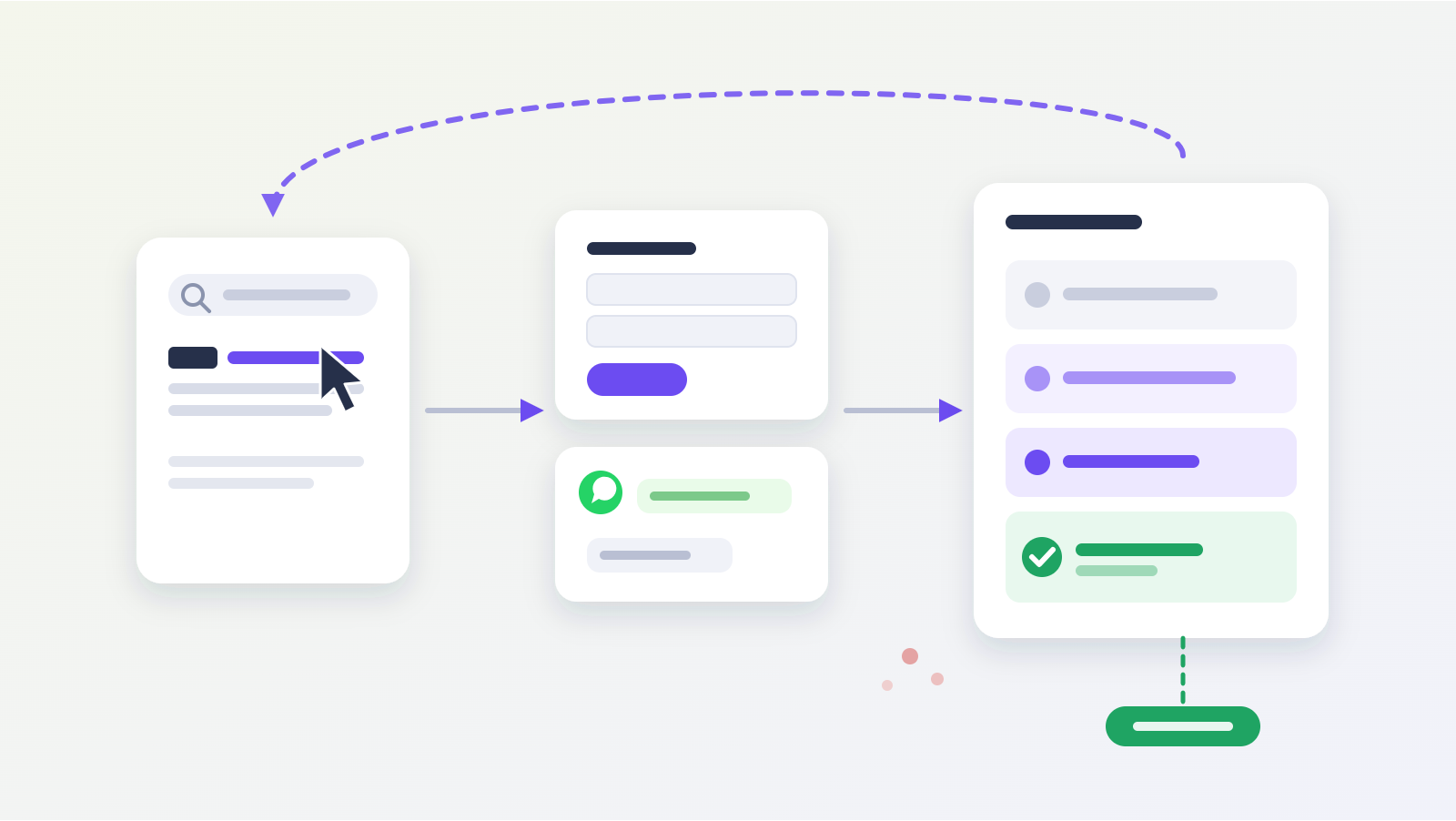
Every email passes through successive stages, and at each one part of the list drops off. Knowing where the drop happens tells you what to improve first:
An email's journey
- 1Reaches the inbox
Not spam, depending on your domain's reputation and authentication
- 2Gets opened
Decided by the sender name, subject line and preview text
- 3Gets clicked
Useful content and one clear button
- 4Leads to action
A landing page that delivers what the email promised
1. Building an email marketing list: permission first
A good list is small and interested, not big and anonymous. Offer a real reason to subscribe and ask for consent clearly:
A useful guide, a template or a monthly summary readers can't get elsewhere.
At the end of articles and guides, not a pop-up the moment someone arrives.
A confirmation email after sign-up protects the list from typos and fake addresses.
On the other hand, one shortcut to avoid completely:
What actually makes people subscribe?
"Subscribe to our newsletter" on its own persuades no one, because it doesn't say what subscribers will get. Compare it with: "One practical article a month on marketing for small stores, no spammy offers." The second states the content and frequency and reassures the reader. Place the sign-up form where readers are most interested, such as the end of a useful article, not in a pop-up the moment they arrive.
You can offer an extra reason tied to the content: a ready-made template, a spreadsheet or a short guide delivered on sign-up. The key is an honest promise. People who subscribe for a gift and then receive unrelated emails will unsubscribe quickly or mark you as spam, which hurts your email marketing more than never having them on the list.
2. Reaching the inbox
Before any talk about content, you need to prove to mailbox providers that you're a trusted sender. Since February 2024 Google has had clear requirements for bulk senders:
| Requirement | What it means |
|---|---|
| SPF and DKIM | Proof that your emails really come from authorised servers |
| DMARC | A policy telling providers how to treat unauthenticated email |
| One-click unsubscribe | A visible link that unsubscribes immediately, with no extra steps |
| Low complaint rate | Few people pressing "spam" protects your domain's reputation |
We cover the technical setup in our email deliverability guide: SPF, DKIM and DMARC.
Sender requirements that changed in 2024
Since February 2024, Google and Yahoo have required bulk senders to authenticate with SPF, DKIM and DMARC, offer one-click unsubscribe and keep spam complaint rates very low, as described in Google's email sender guidelines. Even if your list is small, meeting these requirements improves the odds that your emails land in the inbox rather than the promotions or spam folder.
In practice: ask your hosting or email provider to set up the three records for your domain, send from an address on your own domain rather than a free mailbox, and make the unsubscribe link clear in every email. We walk through the setup in our email deliverability guide to SPF, DKIM and DMARC.
3. The subject line: the moment of opening
Readers see only the sender name, subject line and preview text, and decide in a second. Make the sender name familiar and the subject promise specific value, not empty hype:
Subject lines that get ignored
- "Monthly newsletter - issue 12"
- "DON'T MISS THIS OFFER!!!" in capitals and symbols
- A subject unrelated to the email's content
Subject lines that get opened
- "3 mistakes slowing your website, and how to fix them"
- A specific promise the content actually keeps
- Preview text that completes the subject instead of repeating it
Sender name and preheader: half the decision to open
Before subscribers read the subject line, they see the sender name. A clear name they recognise, such as your company or "Ahmad from your company", reassures them the email isn't from a stranger. Change the name every time or send from an address like no-reply, and you lose some of that trust, and may even stop customers replying at all.
Next to the subject line sits the preheader: the first line of the email, or hidden text you define. Many emails waste it on "If this email doesn't display correctly, click here". Use it to complete the subject: if the subject is "Three signs your AC needs servicing", the preheader might be "Most people ignore the second until midsummer". Together they make a promise that earns the open without exaggeration or trickery. Avoid fake clickbait: it may lift opens once, but it teaches subscribers not to trust your subject lines, which undermines your email marketing over time.
4. Content: value, then one step
- 1One main idea
An email about one topic is clearer than one trying to say everything.
- 2Value before the sale
A tip or insight readers benefit from even if they don't buy.
- 3One clear button
A single primary action leading to the right page.
- 4A design that reads on mobile
One column, readable type and large buttons.
Tag every link in the email with UTM parameters, as in our UTM guide, so you know which link drove results.
A hypothetical example: a monthly newsletter for a maintenance company
Imagine a home-maintenance company sending a monthly newsletter. A weak email says "This month's offers" followed by a price list. A stronger one opens with useful seasonal advice: "Three signs your air conditioner needs servicing before summer", with a short explanation of each sign, then a link to a detailed article on the site, and finally one line: "If you notice any of them, book a check-up here." Readers benefit even if they don't book, and they'll open the next email because they expect value.
Give each email one clear goal and one prominent button. Lots of competing links scatter attention, and an email that tries to say everything says nothing. That focus is the difference between email marketing that builds trust and email that gets ignored.
5. Measurement: what really matters?
Open rate is no longer precise since privacy features in some email apps load messages automatically. Focus on what signals real interest:
How many readers clicked a link, and which link.
Orders or sign-ups coming from the email through tagged links.
A rise signals content that doesn't suit the list or annoying frequency.
Common email marketing mistakes
Sending the same email to the whole list every time. A new subscriber, a long-time customer and someone interested in one service need different emails. Start with simple segmentation by language and interest, and let subscribers choose the sections they care about.
Ignoring mobile. Most emails are opened on phones, so multiple columns, heavy images and small text make reading tiring. Check every email on a phone before sending.
Relying on images to carry the message. Some email clients hide images by default, so if the headline and offer are inside an image, readers won't see them. Write the email as real text and use images only in support.
Neglecting inactive subscribers. Continuing to email people who haven't opened anything for months weakens your sender reputation. Send them a re-engagement email, then remove those who don't respond.
How do you measure email marketing success?
Open rates have become less reliable since some email clients started preloading messages to protect privacy, so don't rely on them alone. Focus on click rate to your content, conversions coming from the newsletter (enquiries, bookings, sales) and unsubscribe and complaint rates after each send. Tag every link in the email with tracking parameters as explained in our UTM guide, and use the UTM link builder to keep naming consistent, so you can see in analytics what readers did after clicking. After three sends you'll know which kind of content drives real engagement, and you can build your next email marketing campaign on it.
Conclusion
A successful newsletter is a chain of small right decisions: a permission-based list, an authenticated domain, an honest subject line, real value, one button and measurement of clicks and conversions. It's a core part of your content strategy, and recurring emails can be automated later. If you'd like help building your newsletter and measuring its results, explore our content and digital strategy service.
Frequently asked questions
Can I buy a ready-made email list?
No. Bought lists drive up complaints and bounces, damage your domain's reputation with mailbox providers and may break data protection laws. Build your list with explicit consent.
What are the new requirements for sending to Gmail?
Since February 2024 Google requires bulk senders to authenticate with SPF, DKIM and DMARC, offer one-click unsubscribe and keep spam complaint rates low.
How often should I send?
As often as you can deliver real value in every email. A useful monthly newsletter beats an empty weekly one; consistency matters most.
How often should I send my newsletter?
The right frequency is the one you can sustain with useful content every time. Many businesses start monthly or every two weeks, and it's even better to let subscribers choose. Watch the unsubscribe rate after each send; a rise signals that emails are too frequent or less useful than subscribers expect.
Should I buy an email list to start quickly?
No. Purchased lists contain people who never asked for your emails, so complaints and spam reports rise, your domain's reputation suffers with mailbox providers, and you may break data protection laws. A small list that asked to hear from you is worth far more.
Sources & references

I believe technology is useful when it solves a clear problem — not when it's adopted because it's trendy. AI is a powerful tool for speeding up research, writing, analysis and automation, but it needs human expertise to review, guide and verify accuracy. That's why I prefer to start by understanding the business and its goals, then choose the simplest solution that delivers a measurable result, and build audience trust with honest, useful content.
- Reader rating
- 5.0(2)
- Published articles
- 81
- #email marketing
- #newsletter
- #deliverability
How would you rate this article?
Be the first to rate
Comments
No comments yet. Share your thoughts!