Projects
Private School Digital Transformation: From Paper Registers to a School System and Parent App
How a private school relying on paper registers and printed circulars can move to a student information system and an app where parents follow attendance, grades and fees.
An illustrative scenario of a hypothetical company, explaining step by step how digital transformation can work in this sector. It does not represent a real client; any figures are example goals and measures, not achieved results.
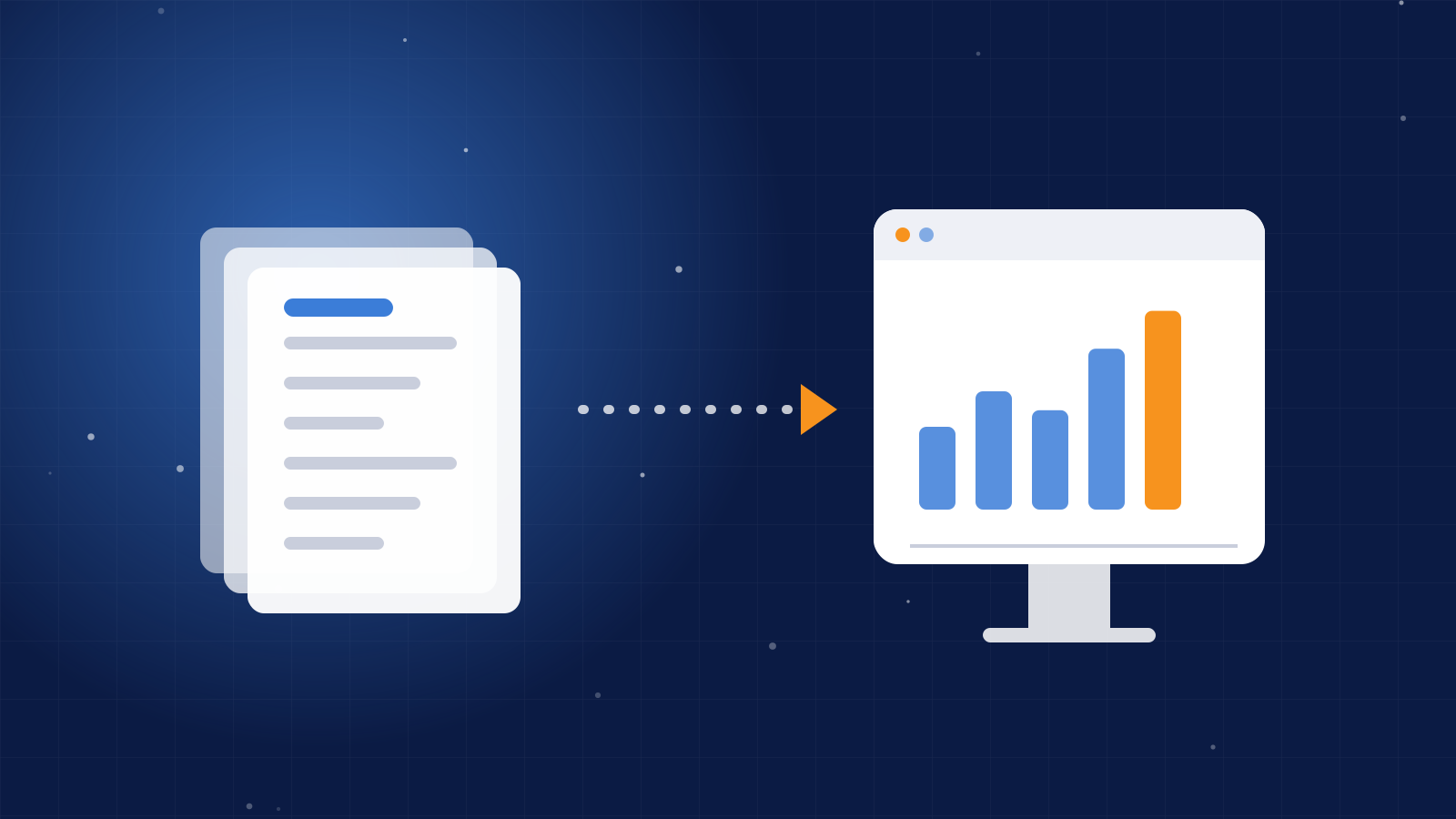
This illustrative scenario explains private school digital transformation for a hypothetical school with several hundred pupils from primary to secondary. The school teaches well, but day-to-day administration relies on paper registers, handwritten grade books, circulars sent home with pupils that may never reach parents, and fees collected in cash at the accounts office.
The starting point: the register and the paper circular
Teachers record attendance in a register that is collected at the end of the week, so parents hear about an absence days later. Grades go into paper books and are then copied by hand onto report cards at the end of term, which eats teachers' time and lets errors creep in. Circulars and announcements are printed and handed to pupils, and many never make it home. Parents queue to pay fees on set days.
Why change became necessary
Parents now expect to know about absences and grades as they happen, and they want a clear channel to the school. Management needs accurate attendance and performance data to act early, and better tracking of fees and late instalments. Piles of paper turn every report into a chore.
A four-phase plan for private school digital transformation
Phase one: student records. One digital record per pupil with their details and guardians, plus an online admissions and enrolment form for new pupils.
Phase two: attendance and grades. Teachers take attendance in a minute on their device and enter grades once, which flow automatically into reports and report cards.
Phase three: the parent app. Instant absence alerts, access to grades, homework and circulars, and an organised messaging channel with teachers and the office.
Phase four: digital fees. Instalment invoices, online payment and automatic reminders before due dates.
Suggested systems and tools
A cloud student information system with a parent app, a learning platform for homework, and admissions pages on the school website through our digital transformation service. Pupils can work out their averages with the GPA Calculator, and management can use our guide to data-driven decisions to read performance indicators.
How we measure success
We define measures to track before and after: the time between an absence and the parent being told, the share of fees paid on time, the time teachers spend preparing report cards, the share of parents using the app, and their satisfaction in a termly survey. That comparison shows the impact honestly.
Mistakes to avoid
Launching the app before pupil data is complete, so wrong alerts go out; flooding parents with messages; skipping teacher training; and collecting children's data without a strict privacy policy. Pupil data is sensitive and needs special protection, as covered in our website security basics.
Bringing teachers and parents along
Teachers embrace the system when it genuinely saves time, so show them the practical gains: grades entered once, report cards generated automatically and organised communication instead of scattered messages. Hold a short welcome session for parents with an illustrated guide to installing the app, and keep the phone available for those who need it at first.
Rough budget and timeline
Cloud school systems are usually priced per pupil, so start well before the school year to enter data and train staff. Attendance and the app can launch in the first term, with digital fees the term after.
Conclusion
Successful private school digital transformation shows in parents who know everything on time, teachers free to teach and management that sees the data clearly. Start with student records, then attendance and grades, then the parent app, then fees. To understand these systems, see student information systems.
The transformation: before and after
An animated summary of how paper processes move to connected digital systems.
Before: on paper
- Registers collected at week's end
- Paper circulars that never reach parents
- Report cards written by hand
- Cash fee collection
After: one connected system
- Instant attendance from the teacher's device
- Direct notifications to parents
- Automatically generated report cards
- Online payment with reminders
Rollout phases
- 1
Student records
One digital record per pupil and online admissions.
- 2
Attendance and grades
Teachers record attendance and grades on their device.
- 3
Parent app
Absence alerts, grades and circulars.
- 4
Digital fees
Invoices, online payment and instalment reminders.
How would you rate this project?
Be the first to rate
Comments
No comments yet. Share your thoughts!